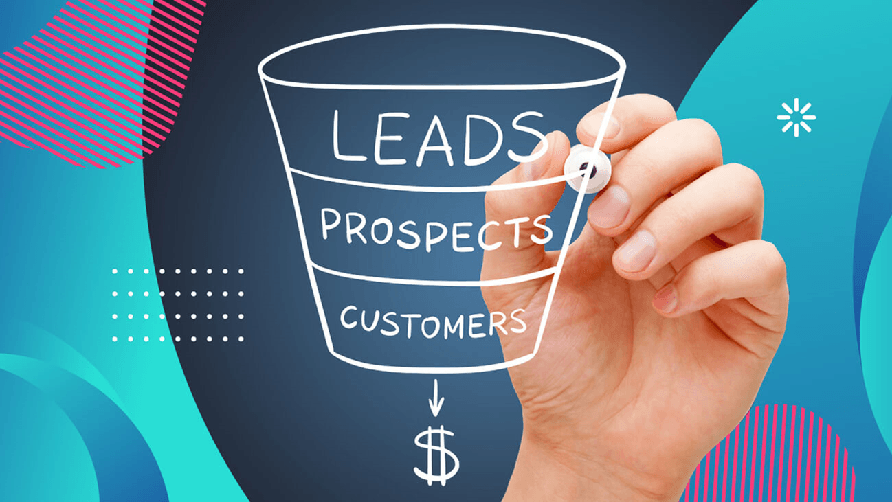
Marketing automation is changing how businesses approach customer acquisition, shifting the focus from generating leads to managing the entire journey from initial interest to conversion. As companies seek more measurable returns from their marketing investments, automated communication, lead qualification and structured follow-up are becoming increasingly important.
A recent announcement by Rhino Precision Marketing highlights how businesses are using automation to improve response times, organize customer information and create more consistent acquisition processes. The broader trend reflects a growing recognition that generating inquiries is only the first step toward winning customers.
Moving Beyond Lead Generation
Traditional marketing campaigns often measure success through website traffic, inquiry volume and cost per lead. While these metrics remain useful, they do not necessarily indicate how many prospects eventually become customers.
Businesses may generate substantial interest but lose potential opportunities because of delayed responses, inconsistent follow-ups or limited visibility into customer interactions.
Marketing automation helps connect lead generation with the activities that follow, giving businesses a more structured approach to managing prospects throughout the acquisition process.
Faster Responses Through Automated Communication
Timely communication can influence whether a prospective customer continues engaging with a business. Automated workflows can trigger email confirmations, text messages, appointment invitations and internal notifications when someone submits a form or requests information.
These processes help businesses acknowledge inquiries more consistently, including outside standard working hours.
However, automation must be configured carefully. Incorrect messages, excessive communication or irrelevant follow-ups can damage the customer experience. Businesses need clear workflows and monitoring to ensure that automated interactions remain useful and appropriate.
Improving Lead Qualification and Segmentation
Not every inquiry represents the same level of buying intent. Some prospects are ready to purchase, while others are comparing options or researching solutions for a future requirement.
Marketing automation platforms can organize prospects according to criteria such as service requirements, engagement history, budget, location and purchase timelines. Businesses can then direct qualified prospects to the appropriate sales teams and provide relevant information to those who need further nurturing.
For B2B organizations, this approach can help marketing and sales teams prioritize high-potential opportunities instead of treating every inquiry equally.
Why Follow-Up Workflows Matter
Customer acquisition often requires several interactions before a purchase decision is made. Prospects may request information, attend a meeting, review a proposal and return with questions before moving forward.
Automated follow-up workflows can schedule reminders, share relevant resources and alert sales representatives when a prospect needs personal attention. Customer relationship management (CRM) systems can also maintain records of previous conversations, helping teams avoid fragmented communication.
The objective is not to automate every interaction. Instead, businesses can use technology to reduce administrative gaps while allowing employees to focus on conversations that require judgment and relationship-building.
AI Adds Intelligence to Marketing Automation
Artificial intelligence is expanding the capabilities of marketing automation beyond predefined rules. AI-assisted systems can help categorize incoming inquiries, summarize customer conversations, identify frequently asked questions and support personalized communication.
More advanced systems can also assist with appointment scheduling and recommend next steps based on available customer data.
The effectiveness of these capabilities depends on data quality, system integration and appropriate human oversight. Businesses must also consider privacy, customer consent and the risks of inaccurate AI-generated responses.
Measuring Customer Acquisition Beyond Lead Volume
As automation becomes more integrated into marketing operations, businesses are evaluating a wider range of performance indicators.
Important metrics include:
Lead response time: How quickly the business responds to an inquiry.
Lead qualification rate: The percentage of inquiries that meet defined criteria.
Appointment conversion rate: The proportion of prospects who schedule and attend meetings.
Customer acquisition cost (CAC): The total cost of acquiring a customer.
Sales conversion rate: The percentage of prospects who become paying customers.
Customer retention: How effectively the business maintains customer relationships over time.
Tracking these metrics helps organizations identify where prospects drop out of the acquisition journey and where changes to marketing, sales or follow-up processes may improve results.
Balancing Automation With Human Interaction
Automation can improve consistency and reduce repetitive work, but customer acquisition still depends on trust, relevant communication and human judgment.
Businesses should design automated systems that recognize when a prospect needs personal assistance, particularly when discussions involve pricing, complex requirements or contractual decisions.
The most effective approach combines technology with human expertise, using automation to support the customer journey rather than replace meaningful interactions.
Conclusion
Marketing automation is evolving from a tool for managing campaigns into a broader system for supporting customer acquisition. By connecting lead generation with qualification, communication, follow-up and performance measurement, businesses can gain a clearer view of how marketing activity contributes to revenue.
As AI capabilities advance, organizations that combine reliable data, well-designed workflows and human oversight will be better positioned to improve efficiency and deliver more consistent customer experiences.